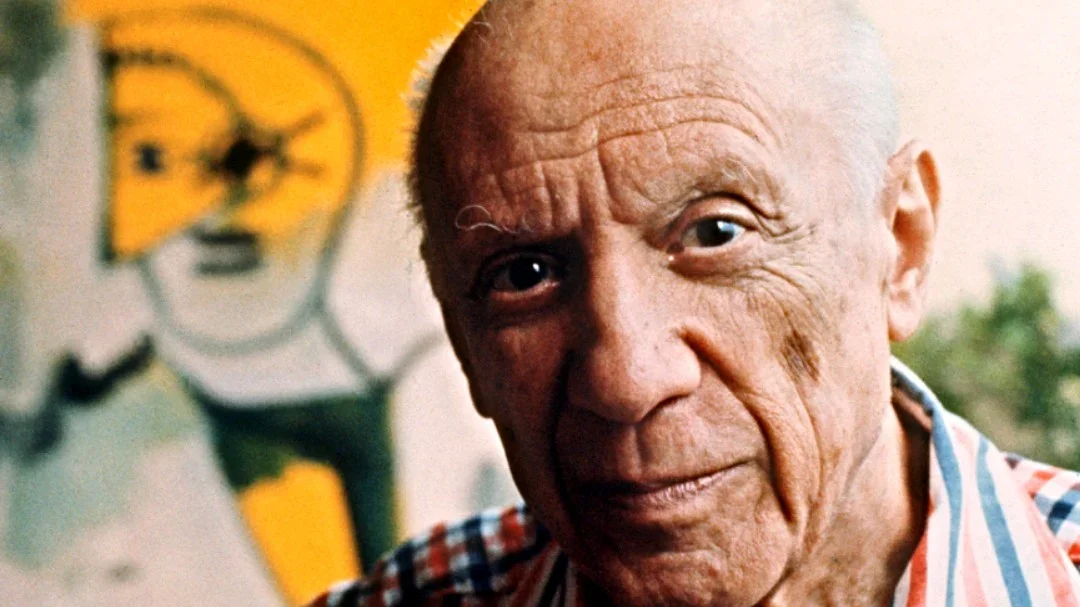
A note on this one: Like Cleopatra and Napoleon Hill, Picasso predates the interview format this series is built on, so we've drawn on filmed documentary footage and serious biographical sources instead. This is also the heaviest post in the series so far. Picasso's personal life includes real, documented harm to the people closest to him — including a decade-long relationship that began when he was 45 and she was 17, and multiple family members, including two of his partners and a grandson, who later died by suicide. We've reported this factually and without unnecessary detail, but we're saying it plainly here rather than only inside the post itself, because this one is a genuine departure from the tone of everything else on this list.
Pablo Picasso was a Spanish painter and sculptor, and one of the most influential artists of the 20th century, co-founding the Cubist movement and producing an estimated 50,000 artworks across a seven-decade career. He's also, by the account of multiple family members who later wrote about him — including his own granddaughter, Marina Picasso — a figure whose genius came at a real and lasting cost to the people around him. In this post, we're going over Pablo Picasso's List to see how his life fits into the Home, Work, and Self framework.
Sources
The Mystery of Picasso (1956 documentary, Henri-Georges Clouzot) — YouTube
Picasso: My Grandfather by Marina Picasso (memoir)
Home
House
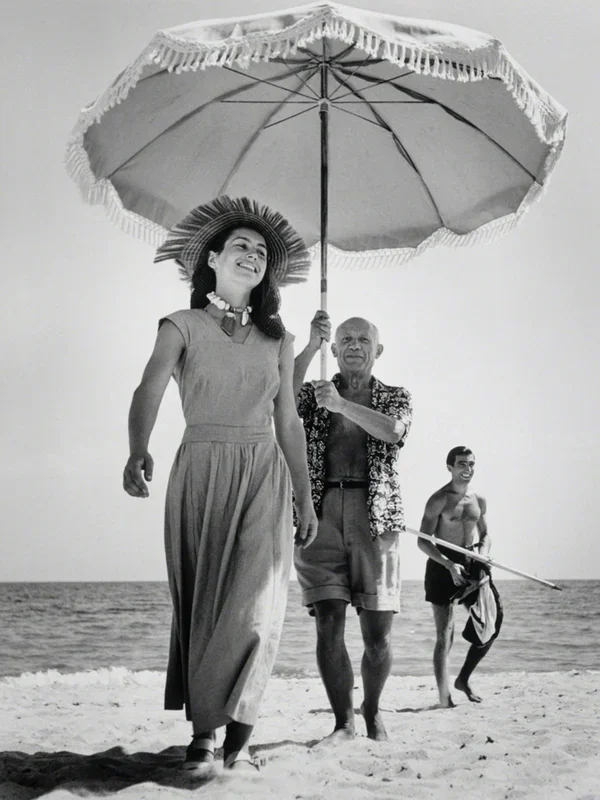
Real Estate - Picasso owned multiple properties in the south of France over his lifetime, including the Château de Vauvenargues, where he's buried, and Mas Notre-Dame-de-Vie in Mougins, where he died in 1973.
Design - His studios were famously chaotic working spaces rather than curated homes — filled with in-progress canvases, sculptures, and found objects he repurposed into art.
Maintain - No public information on how his households were run day-to-day.
Partner
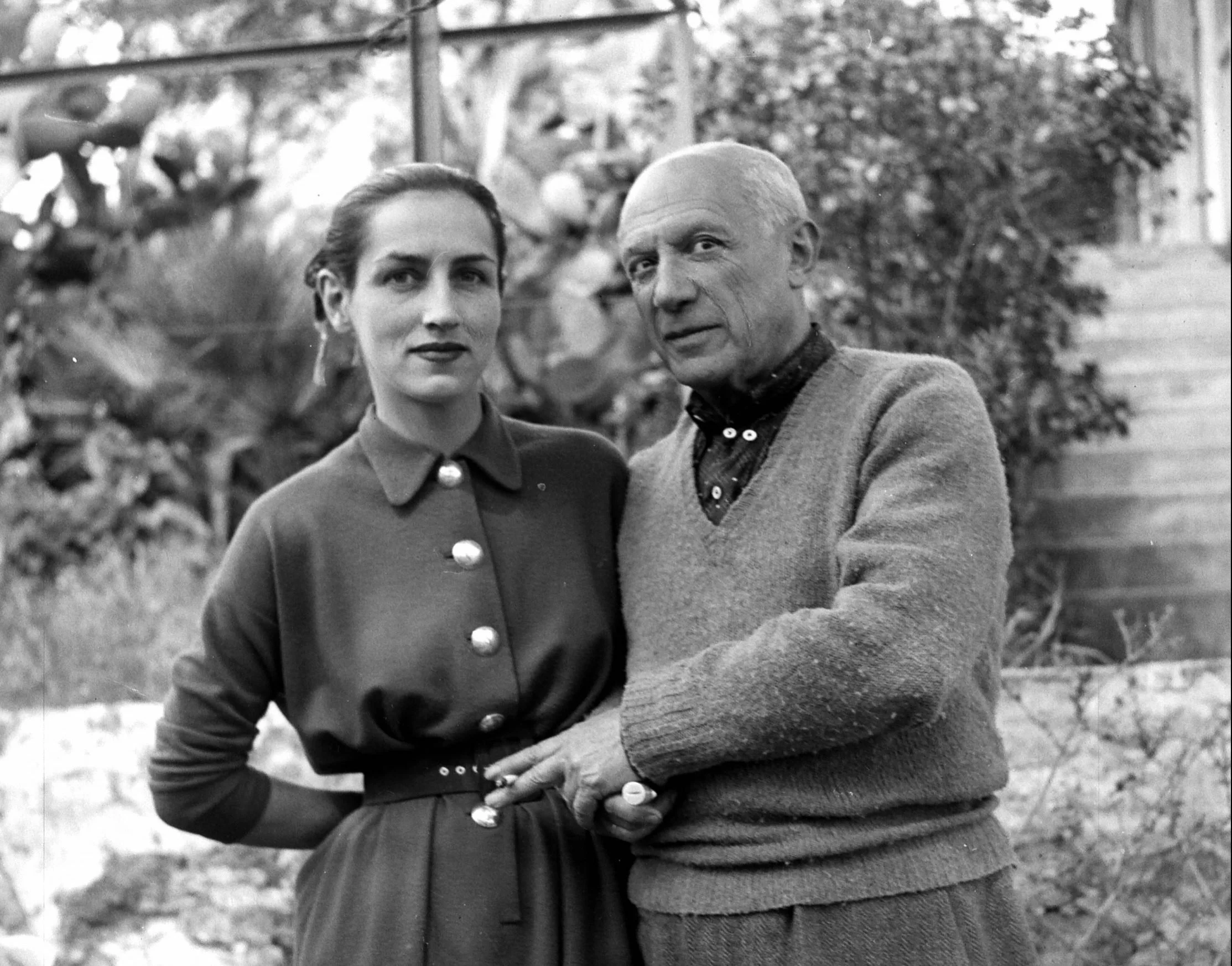
Quality Time - Picasso had two wives and several long-term partners across his life: Olga Khokhlova (married 1918), Marie-Thérèse Walter (relationship began 1927), Dora Maar, Françoise Gilot, and Jacqueline Roque (married 1961, his second wife). He was, by multiple accounts, rarely faithful to any of them for long.
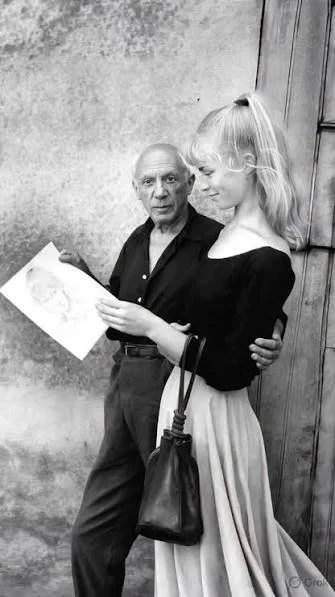
Shared Responsibilities - His relationship with Marie-Thérèse Walter began when he was 45 and married to Olga, and she was 17 — a relationship he kept secret for years. It is worth being direct about this rather than repeating the "muse" framing uncritically: this was a serious power imbalance by any modern standard, between a middle-aged, world-famous man and a teenager.
Conversation - Multiple partners described the relationship dynamic as one-sided and difficult. Françoise Gilot, who left Picasso and later wrote candidly about their relationship, was one of the few partners who did so on her own terms rather than being displaced by his next relationship.
Family
Parents - Picasso was born in Málaga, Spain, to José Ruiz y Blasco, a painter and art teacher, and María Picasso y López, whose surname he later adopted as his own artist name.
Siblings - He had two younger sisters, Lola and Conchita. Conchita died of diphtheria at age seven when Picasso was 13, a loss he described decades later as one of the defining traumas of his life.
Kids - Picasso had four children: Paulo, with Olga Khokhlova; Maya, with Marie-Thérèse Walter; and Claude and Paloma, with Françoise Gilot. His relationship with his son Paulo was reportedly harsh — Paulo worked as his father's driver as an adult and struggled with alcoholism, by several accounts linked to how he was treated. Picasso's grandson Pablito died by suicide in 1973, the day after being barred from attending Picasso's funeral by Jacqueline Roque.
Work
Make
Time - Picasso worked with extraordinary consistency across roughly 75 years, from childhood drawings encouraged by his father to paintings completed in the final years of his life.
Space - His studios moved with him throughout his life, from early years in Barcelona and Paris to his final decades in the south of France, always centered around wherever he was actively working.
Supplies - He was known for pulling materials from anywhere — repurposing bicycle parts, ceramics, and found objects into sculpture alongside traditional paint and canvas.
Show
In Real Life - Documentary filmmakers captured him working directly on camera more than once, including the 1956 film The Mystery of Picasso, which shows him painting in real time on glass for the camera.
Print - His work was covered extensively by art criticism and the press throughout his career, and remains among the most reproduced and written-about art in history.
Online - Not applicable to his era; the modern equivalent is that decades of documentary footage of him working has since been digitized and is widely available.
Sell
Products - His paintings, sculptures, and ceramics remain among the most valuable artworks in the world; individual pieces have sold at auction for over $100 million.
Services - He also worked on commissioned projects, including set and costume design for the Ballets Russes early in his career.
Events - Major retrospectives of his work were held during his lifetime and continue to be a major draw for museums worldwide.
Self
Wellbeing
Mind - Picasso described the death of his sister Conchita as a psychological turning point, saying he made a private, magical-thinking bargain that he'd give up drawing if she survived — a promise she didn't live to see kept.
Body - No public information on any specific physical routine.
Soul - He worked prolifically into his final years, producing new work at a pace that suggests his identity remained inseparable from his output until his death at 91.
Admin
Time - No public information on a specific daily schedule.
Paperwork - He refused for years to finalize a divorce from Olga Khokhlova, reportedly to avoid losing half of his estate, leaving her legally his wife until her death in 1955.
Money - He amassed enormous wealth through his art over his lifetime, and disputes over his estate continued among his heirs for years after his death.
Social
Friends - He maintained relationships with major cultural figures of his era, including collaborators from the Ballets Russes and fellow artists across the movements he helped shape.
Communities - He was a significant figure in both the Cubist and Surrealist circles of early 20th-century Paris, though he was never fully absorbed into either movement.
One-on-One - The clearest one-on-one account of his personal life comes from his own family: his granddaughter Marina Picasso later wrote publicly and critically about what she described as a controlling and emotionally destructive presence in the family, a direct counterpoint to his public reputation as a genius.
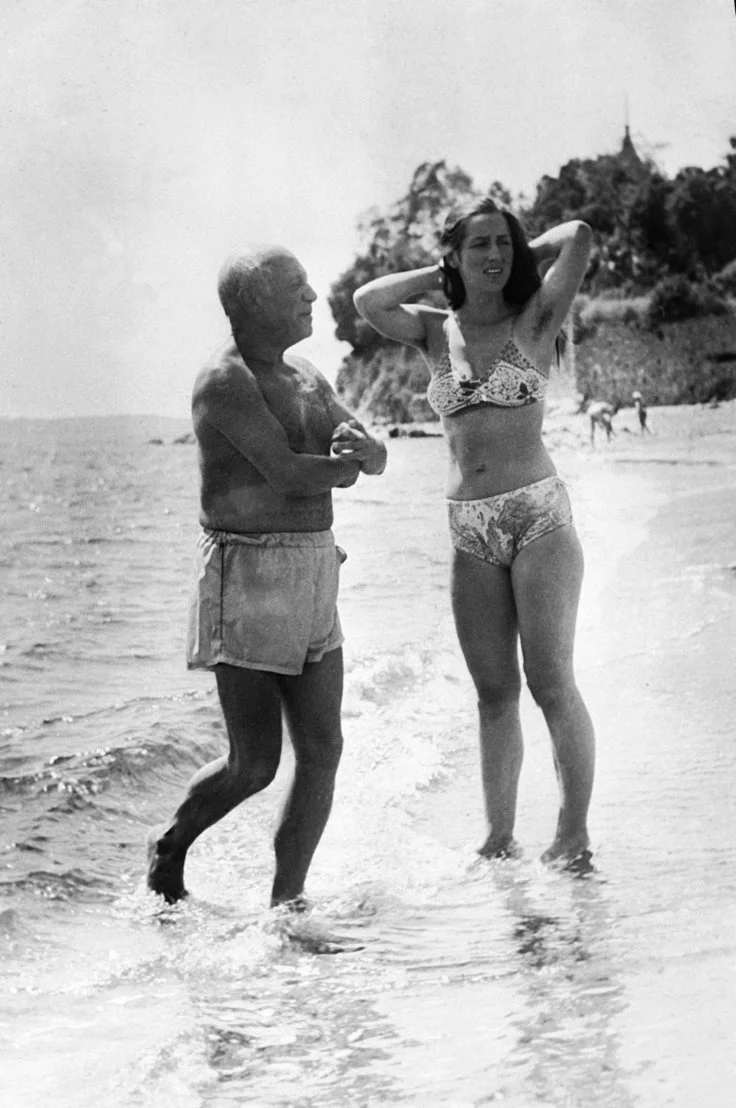
Key Takeaways
Picasso's artistic output and his personal conduct are difficult to separate cleanly — several family members who wrote about him directly describe them as connected, not incidental to each other.
His relationship with Marie-Thérèse Walter, often romanticized as a "muse" story, began as a relationship between a 45-year-old man and a 17-year-old girl — worth naming plainly rather than softening.
The harm in this family reached a third generation: his grandson's death by suicide came directly after being excluded from Picasso's funeral.
Multiple people close to him — a granddaughter, a former partner — chose to write publicly and critically about him, a notable departure from the uncomplicated admiration that defines how he's often remembered.
This post is a reminder that the framework can surface real tension between someone's public legacy and their private conduct — not every subject resolves into a clean, admirable story.
Links & Resources
Further Reading