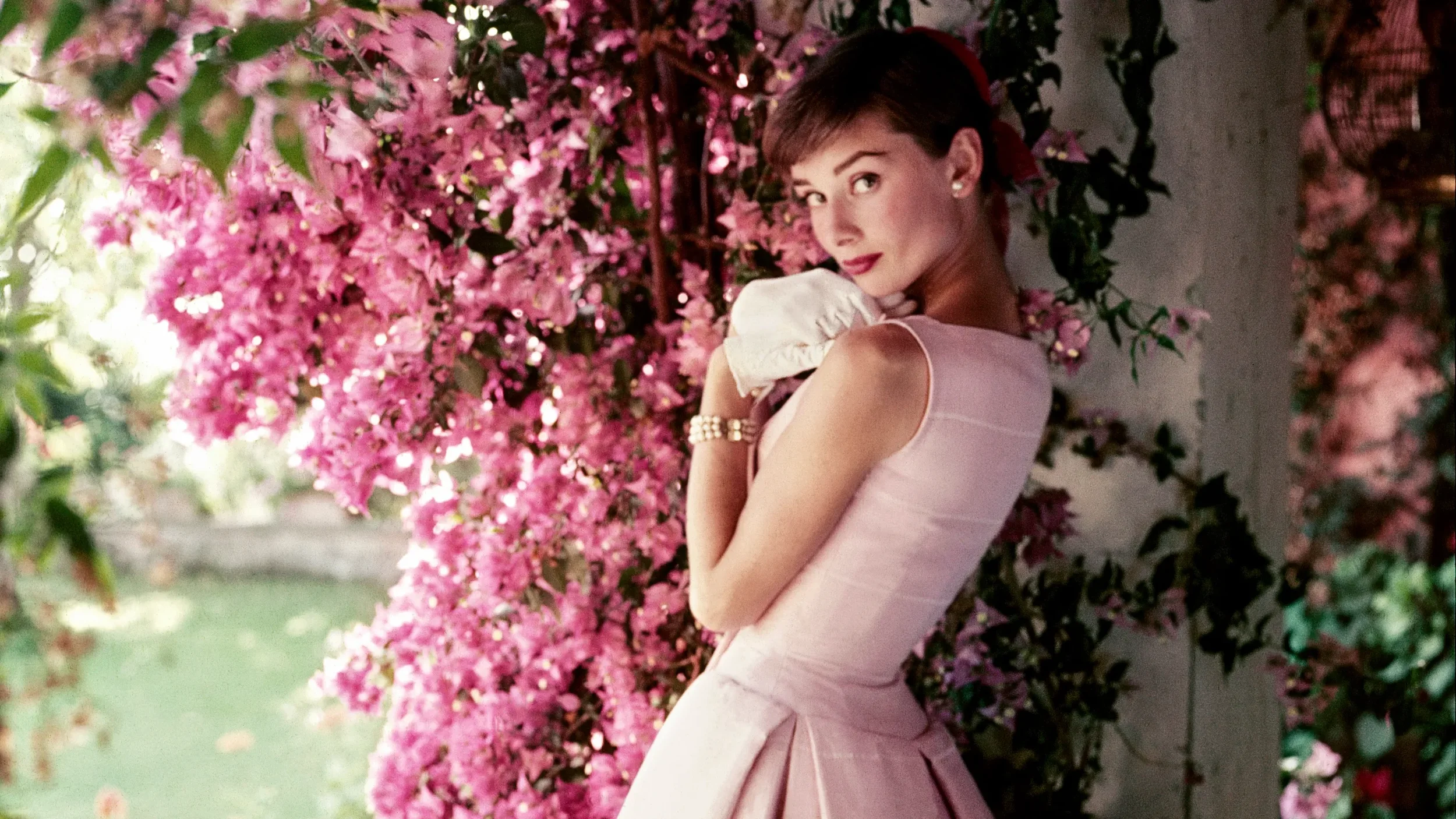
Audrey Hepburn survived Nazi-occupied Holland on tulip bulbs and grass soup as a teenager — and spent the last years of her life walking through famine zones, insisting on seeing, in her own words, "the worst of the worst." Audrey Hepburn was a British actress, best known for iconic film roles in Roman Holiday, Breakfast at Tiffany's, and My Fair Lady.
She largely stepped back from acting in 1967 to focus on raising her sons, making only a handful of films over the following two decades, and devoted much of her final years to humanitarian field work — traveling to Ethiopia, Sudan, Bangladesh, and Vietnam to draw global attention to children in crisis. In this post, we're going over Audrey Hepburn's List using two interviews to see how her life fits into the Home, Work, and Self framework.
Sources
Home
House
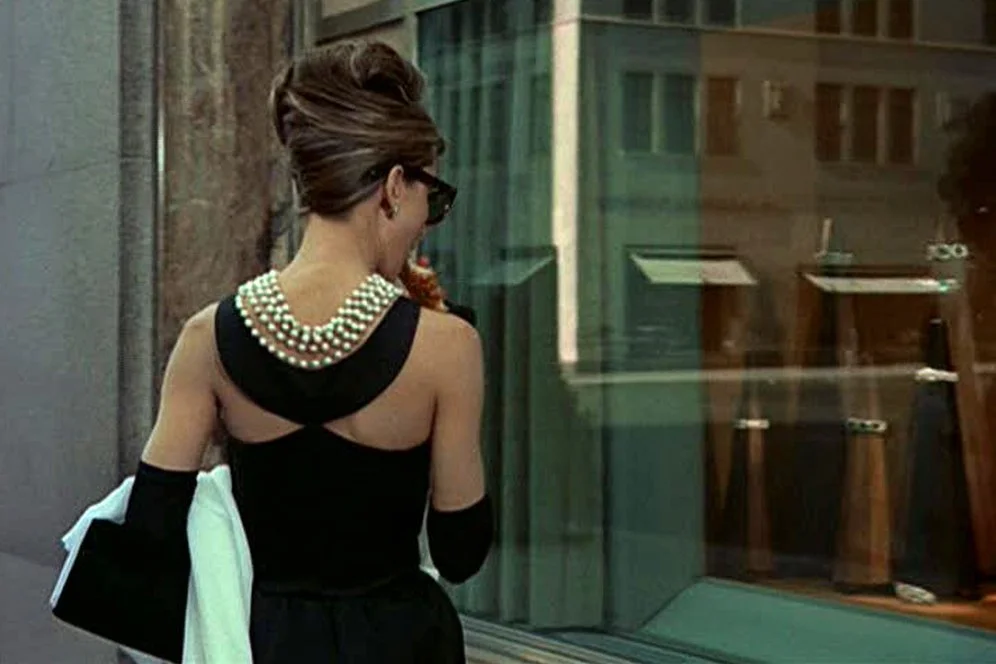
Real Estate - Audrey Hepburn was born in Brussels, Belgium, in 1929, and spent much of her childhood in Arnhem, Netherlands, during World War II. She later lived in London and New York City as her acting and ballet career flourished. In 1965, she and her first husband, Mel Ferrer, purchased a farmhouse in Tolochenaz, Switzerland, near Lausanne, naming it La Paisible—“the place of peace.” It became her longtime family home, where she lived until her death in 1993.
Design - She kept the property deliberately simple and rural, a quiet contrast to her decades of Hollywood glamour.
Maintain - No public information.
Partner
Quality Time - Audrey was married twice — to actor Mel Ferrer (1954–1968) and Italian psychiatrist Andrea Dotti (1969–1982) — before finding lasting stability with Dutch actor Robert Wolders, her partner from 1980 until her death in 1993, though they never married.
Shared Responsibilities - Her son Sean has said their family later described Wolders as the relationship in which she finally found peace, trust, and affection, after two marriages marked by real strain.
Conversation - According to her son, Andrea Dotti was repeatedly unfaithful throughout their marriage — reportedly seen publicly with dozens of other women — something Audrey confided to Sean directly and tearfully at the time.
Family
Parents - Audrey was the daughter of Joseph Ruston, an English-Irish banker who became a Nazi sympathizer, and Baroness Ella van Heemstra, a Dutch aristocrat. Her father abandoned the family when she was six; she tracked him down decades later in 1964, and by her own account, he remained cold and distant even then.
Siblings - No public information beyond her immediate nuclear family; she had half-brothers from her mother's earlier marriage.
Kids - She had two sons: Sean, with Mel Ferrer, and Luca, with Andrea Dotti. She's said having children was her deepest personal dream after her own difficult childhood, and she scaled back her acting career substantially to raise them directly rather than delegate their upbringing.
Work
Make
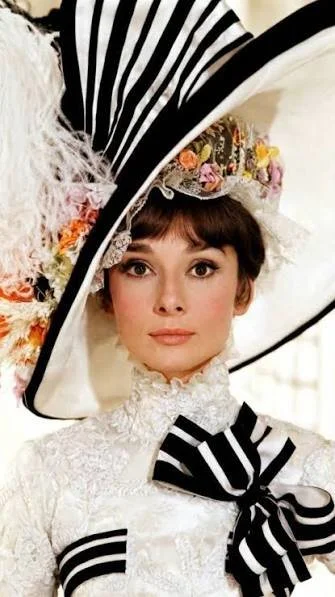
Time - Audrey trained seriously as a ballet dancer before turning to acting, and she deliberately slowed her film career after 1967 to prioritize motherhood, making only a handful of films over the next two decades.
Space - Her later "work" shifted almost entirely to the field — touring UNICEF sites directly in Ethiopia, Sudan, Bangladesh, Honduras, El Salvador, and Vietnam rather than working from an office or studio.
Supplies - She used her own fame deliberately as the primary tool of her humanitarian work, understanding that a camera pointed at her in a famine zone would draw attention no press release could.
Show
In Real Life - She insisted on seeing firsthand what UNICEF officials described as "the worst of the worst," touring famine and war-affected regions in person rather than making symbolic visits.
Print - Her film career generated decades of press coverage, and her later humanitarian work was covered extensively in its own right, distinct from her celebrity persona.
Online - Her 1989 interviews with Barbara Walters and Larry King remain some of the most widely viewed records of her in her own words discussing both her career choices and her UNICEF field work.
Sell
Services - Her core "service" in her later years was advocacy itself — a single one-hour appearance before the U.S. Congress reportedly helped raise $60 million for UNICEF.
Products - Her film work remains commercially active decades later through licensing, home media, and continued cultural presence.
Events - She participated directly in UNICEF campaign events and public appearances, using her celebrity specifically to draw press and funding to causes that otherwise struggled for attention.
Self
Wellbeing
Mind - She's described her wartime adolescence in occupied Holland — including real hunger, using tulip bulbs and grass to make food — as the direct root of her later humanitarian drive, having personally received UNICEF food and medical aid as a starving teenager.
Body - Her ballet training gave her a lifelong physical discipline that carried into her film career, though by her own account the years of wartime malnutrition left lasting effects on her health.
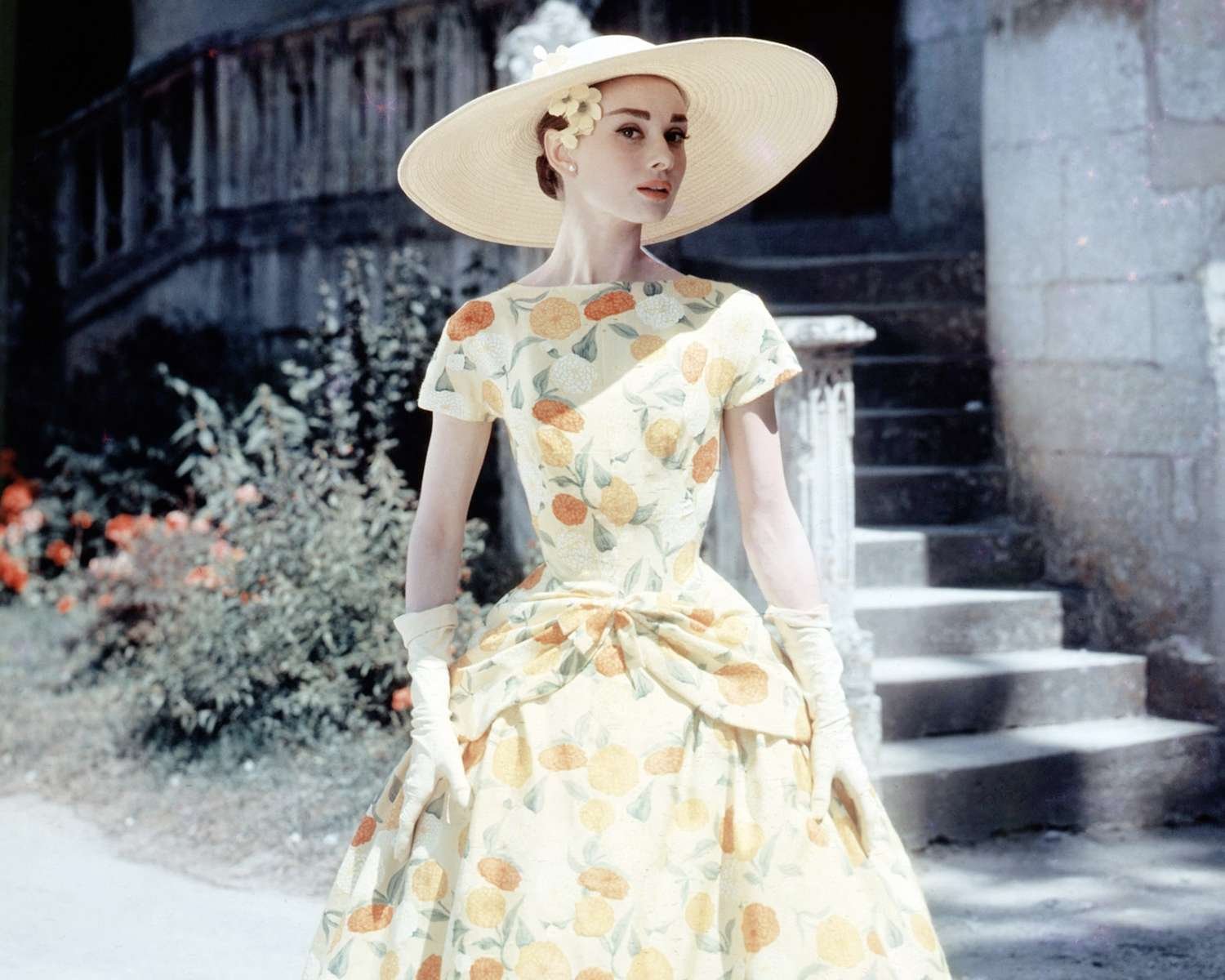
Soul - She's said plainly that being adored by millions mattered far less to her than finding real, unconditional love and purpose — a rare admission from someone at the peak of global fame.
Admin
Time - She restructured her entire professional calendar around motherhood starting in the late 1960s, treating that as a firm boundary rather than a temporary pause.
Paperwork - Her humanitarian work was formalized through UNICEF's official Goodwill Ambassador program starting in 1989, giving her advocacy institutional backing rather than operating independently.
Money - She was awarded the Presidential Medal of Freedom in 1992 for her humanitarian advocacy, alongside decades of film earnings; her sons later founded the Audrey Hepburn Children's Fund to continue her UNICEF-aligned work after her death.
Social
Friends - Fellow actress Shirley MacLaine once described her as "a cross between the salt of the earth and a regal queen," a widely echoed sentiment among her Hollywood peers.
Communities - Her UNICEF work connected her directly to global humanitarian and NGO networks, a community entirely separate from the entertainment industry that made her famous.
One-on-One - Her relationship with her sons appears to be the throughline of her later life — both Sean and Luca went on to continue her UNICEF-aligned work directly after her death, suggesting the values she modeled at home extended well past her own lifetime.
Key Takeaways
Audrey's own childhood experience of receiving humanitarian aid as a starving teenager directly shaped her decision to become a public advocate for children decades later — not an abstract cause, but personal history repeating in reverse.
She treated fame explicitly as a tool for her later work, not the goal itself, using her own visibility deliberately to draw funding and attention to crises.
Both of her marriages involved real personal difficulty, and she found stability only in her final, unmarried relationship with Robert Wolders.
She drew a hard boundary around motherhood, restructuring her entire career around her sons rather than fitting parenting around acting.
Her children carried her humanitarian work forward directly after her death, a rare case of a public legacy actually continuing through family rather than fading.