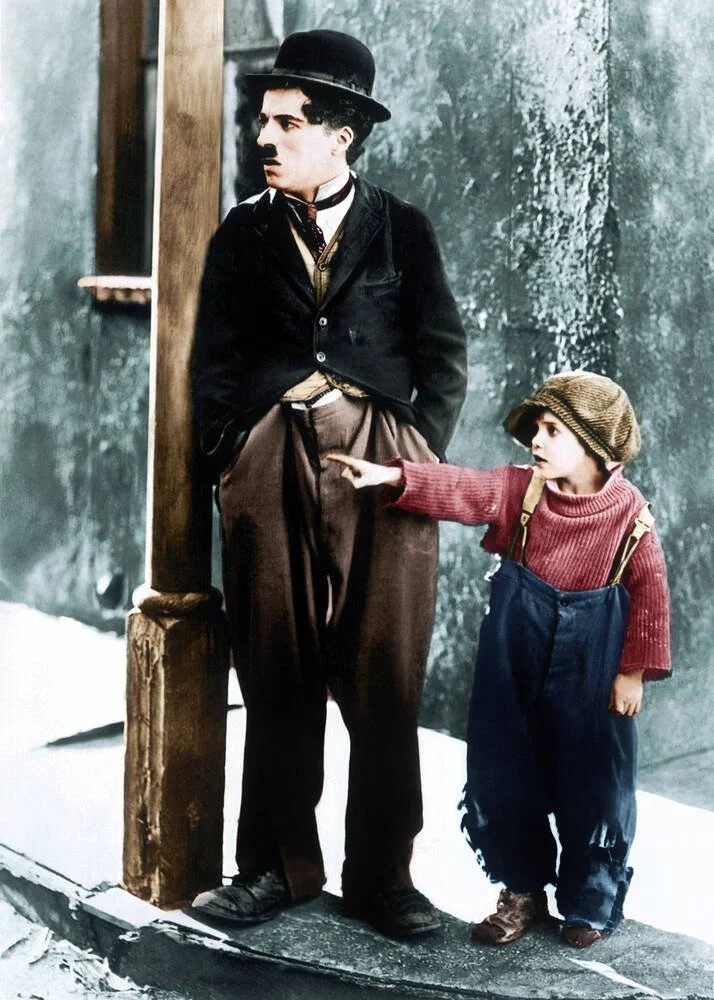
Charlie Chaplin was an English actor, filmmaker, and composer, and one of the most influential figures in the history of cinema, best known for creating and portraying "the Tramp," a silent-film character that made him arguably the most recognizable person in the world by the 1920s. He rose from acute childhood poverty in Victorian London — including two stints in a workhouse before age nine — to become the highest-paid entertainer of his era, writing, directing, scoring, and starring in his own films for over five decades. In September 1952, while sailing to London for the premiere of his film Limelight, the U.S. Attorney General revoked his re-entry permit, citing his suspected Communist sympathies and questions about his "morals" during the Cold War-era Red Scare — barring him from the country where he'd lived and worked for nearly 40 years. He never returned to live in the U.S., settling instead in Switzerland, and did not set foot in the country again until a brief, celebrated visit in 1972 to accept an honorary Academy Award. In this post, we're going over Charlie Chaplin's List to see how his life fits into the Home, Work, and Self framework.
Sources
The Real Charlie Chaplin (2021 documentary, Sony Pictures Classics)
Charlie Chaplin, interviewed by Richard Meryman for Life magazine (1966)
Home
House
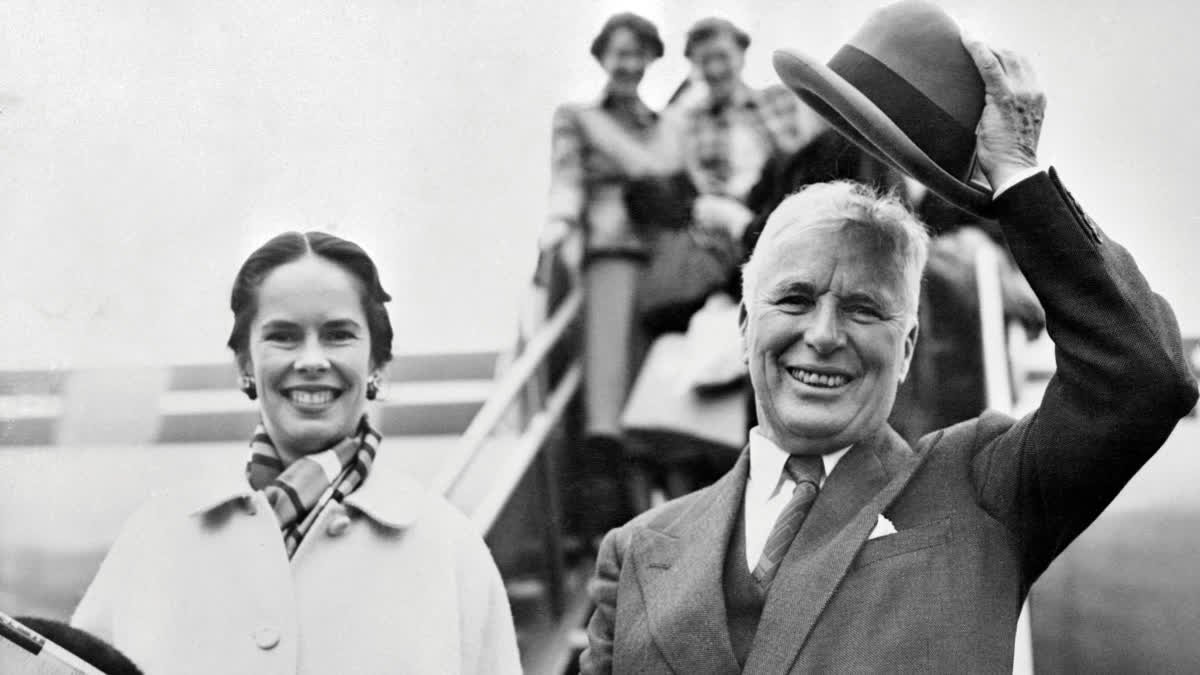
Real Estate - After his 1952 exile from the United States, Chaplin settled with his family at Manoir de Ban in Corsier-sur-Vevey, Switzerland, near Lake Geneva, where he lived for the rest of his life.
Design - No public information.
Maintain - No public information.
Partner
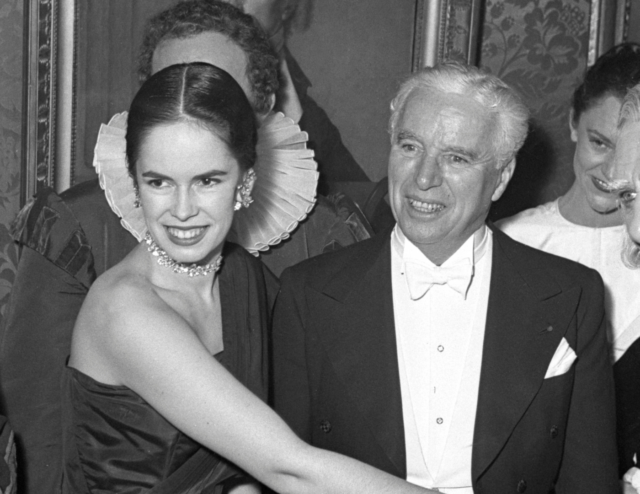
Quality Time - Chaplin married four times: Mildred Harris (1918, when she was 16 and he was 29), Lita Grey (1924, when she was 16 and he was 35, following a relationship that began when she was 15), Paulette Goddard (1936, when she was 25 and he was 47, a relationship generally described as amicable), and Oona O'Neill (1943, when she was 18 and he was 54).
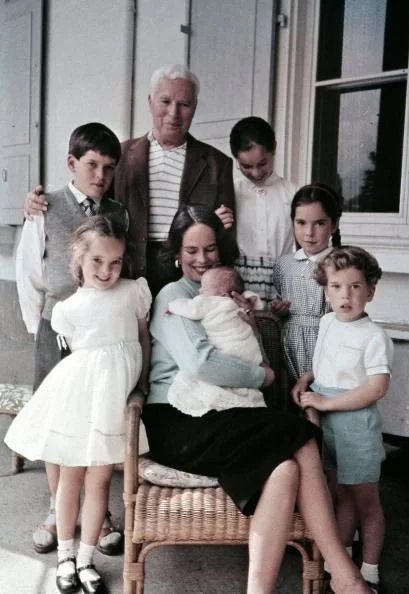
Shared Responsibilities - His marriage to Oona lasted the rest of his life and produced eight children; she gave up her own acting ambitions after marrying him and supported him through his 1952 exile from the United States.
Conversation - Chaplin wrote in his memoir that his marriage to Oona gave him a happiness he hadn't known before, describing it as a love "more than one can express." His three prior marriages were each marked by public conflict — his divorce from Lita Grey in particular became a highly publicized, damaging scandal.
Family
Parents - Chaplin's father, Charles Sr., was largely absent and provided no financial support before dying of alcoholism-related illness at 38; his mother, Hannah, a former music hall performer, developed a severe mental illness — likely linked to syphilis and malnutrition — and was committed to an asylum when Chaplin was 14.
Siblings - He had an older half-brother, Sydney, with whom he shared much of his early poverty, including time in the workhouse.
Kids - Chaplin had eleven children across his marriages, including Charles Jr. and Sydney with Lita Grey, and eight children with Oona O'Neill, among them actress Geraldine Chaplin.
Work
Make
Time - Chaplin began performing at five years old, filling in for his mother mid-performance when her voice failed; he spent his childhood and teenage years in music halls before moving into film in his twenties.
Space - He built and controlled his own creative environment to an unusual degree for the era, co-founding United Artists in 1919 specifically to retain ownership and control over his own films.
Supplies - He wrote, directed, edited, scored, and starred in his own work, a level of total creative control that was rare even among the biggest stars of his time.
Show
In Real Life - His live music hall performances as a child and teenager gave him the physical comedy training that later defined the Tramp character on screen.
Print - He was covered extensively by the press throughout his career, and later gave one of his most substantial personal interviews to Life magazine in 1966.
Online - Not applicable to his era; the modern equivalent is that his films and archival interview footage have since been compiled into documentaries, including 2021's The Real Charlie Chaplin.
Sell
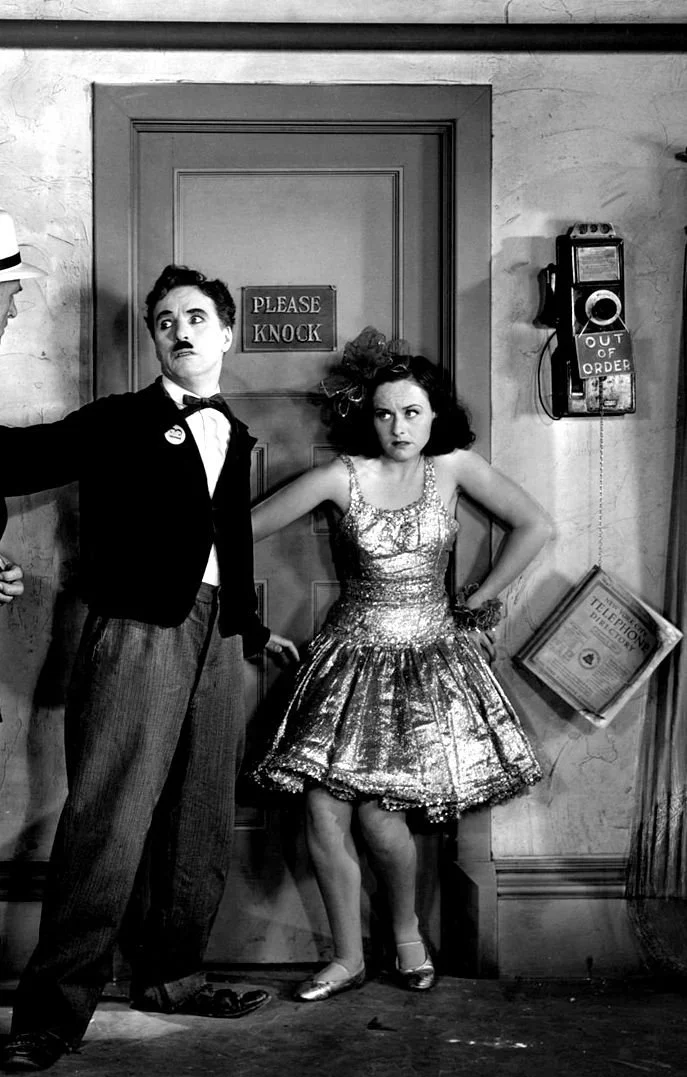
Products - His films remain commercially available and widely studied nearly a century later, including The Kid, The Gold Rush, and Modern Times.
Services - Founding United Artists gave him a direct ownership stake in distribution, not just production — a business structure most actors of his era didn't have access to.
Events - His premieres and public appearances were major cultural events during his peak fame, when he was likely the most recognizable face in the world.
Self
Wellbeing
Mind - Chaplin described his mother's illness with a kind of resigned grief, writing "there was nothing we could do but accept poor mother's fate" — a line that suggests he processed real trauma without full resolution.
Body - His physical comedy was built on rigorous, controlled precision, a skill honed from childhood stage performance.
Soul - He directly credited his mother's gift for mimicry and observation, performed for him even during their poorest days, as the root of his own comedic ability.
Admin
Time - No public information on any specific daily routine.
Paperwork - His 1952 exile from the United States was a real legal and political crisis, driven by his leftist political sympathies during the McCarthy era; he did not return to the U.S. for 20 years.
Money - He built one of the largest fortunes in entertainment history from childhood poverty, reportedly leaving an estate valued in the hundreds of millions in today's terms.
Social
Friends - He co-founded United Artists alongside Mary Pickford, Douglas Fairbanks, and D.W. Griffith, one of the most significant creative partnerships of early Hollywood.
Communities - His political sympathies and refusal to become a U.S. citizen made him a target during the Red Scare, ultimately costing him his ability to live in the country where he built his career.
One-on-One - His relationship with his mother remained a defining thread of his life story even after her institutionalization — he brought her to live with him in the U.S. in 1921, well into his own fame, rather than leaving that chapter behind.
Key Takeaways
Chaplin's pattern of marrying teenage girls repeated three times across his life, not once — that repetition is a documented pattern, not an isolated youthful mistake.
His childhood poverty was extreme even by the standards of Victorian London, including two stints in a workhouse before age nine.
He achieved an unusual level of business control for his era, co-founding United Artists specifically to own his own work rather than depend on a studio.
His mother's mental illness and his own resulting instability appear to have shaped both his art (most directly in The Kid) and his lifelong loyalty to her.
His final marriage, to Oona O'Neill, lasted more than three decades and is described in his own writing as the first real happiness he found — worth holding alongside, not instead of, the pattern that preceded it.
Links & Resources
Further Reading