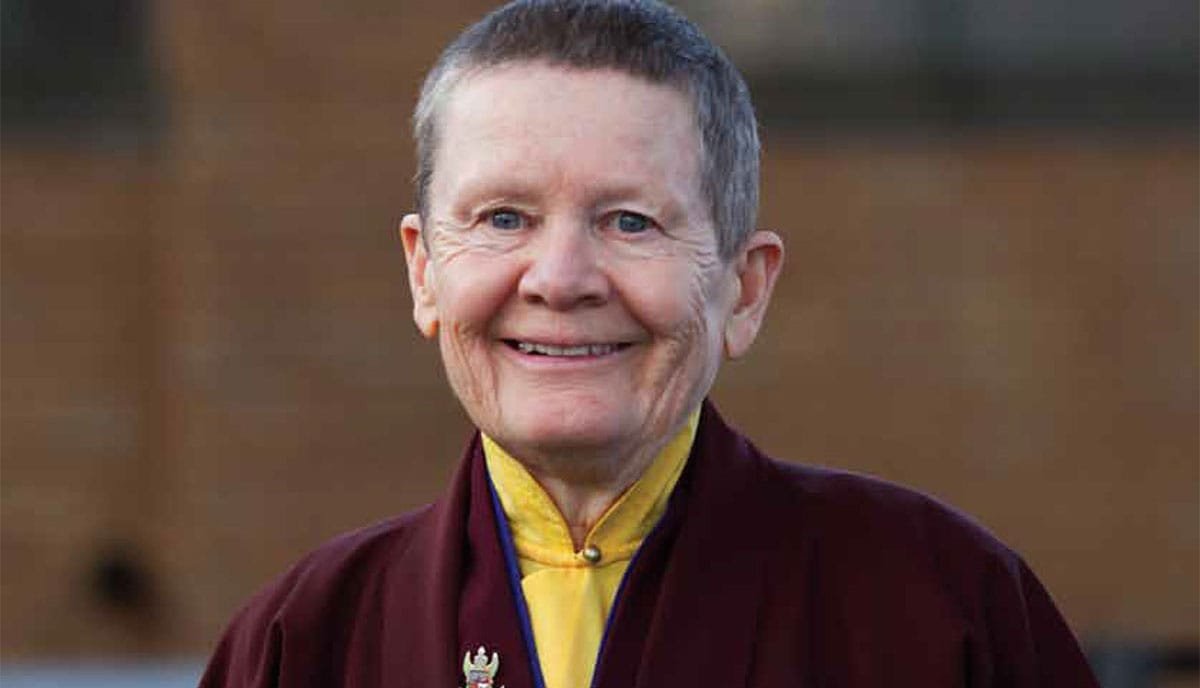
Pema Chödrön was a divorced, remarried, twice-divorced schoolteacher in her forties before she became a Buddhist nun — and didn't publish her first book until she was 55. Pema Chödrön, born Deirdre Blomfield-Brown, is an American-born Tibetan Buddhist nun, author, and one of the most influential Western teachers of Buddhism alive today. In 1981, she became the first American woman fully ordained as a nun in the Vajrayana tradition, and she went on to found and lead Gampo Abbey in Nova Scotia, the first Tibetan Buddhist monastery in North America built for Western monks and nuns.
Her life is a genuine departure from most people on this list: rather than building a business or a public brand, she renounced most of the trappings this framework usually measures — marriage, personal wealth, even her original name. That makes some sections below look very different from what you'd expect, and that difference is itself part of the story. In this post, we're going over Pema Chödrön's List using two interviews to see how her life fits into the Home, Work, and Self framework.
Sources
Home
House
Real Estate - Pema has lived at Gampo Abbey in rural Cape Breton, Nova Scotia, since 1984, along with periods in a solitary retreat cabin nearby.
Design - monastic life is deliberately simple — the Abbey was built specifically to house a Western community of monks and nuns rather than as a personal residence.
Upkeep - the property is maintained communally by the monastic community rather than by Pema individually, a structural difference from every other person on this list.
Partner
This is the section where Pema's life diverges most sharply from the rest of this list: she has no partner, by her own choice. She married at 21 and had two children, divorced in her mid-twenties, remarried, and then divorced a second time after her husband told her he was having an affair — an event she's described as the "groundless moment" that opened the door to her spiritual path. She took vows of celibacy as part of her ordination in 1981 and has remained unmarried since. In place of a romantic partnership, her most defining relationships have been with her teachers, particularly Chögyam Trungpa Rinpoche and, later, Dzigar Kongtrul Rinpoche.
Family
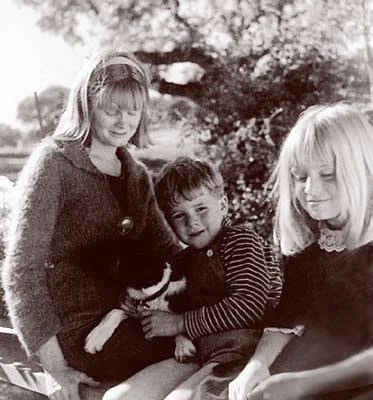
Parents - Pema grew up in a Catholic family on a farm in New Jersey and has described her childhood as pleasant, with her spiritual curiosity awakened later at boarding school.
Siblings - she grew up with an older brother and sister.
Kids - she has a son, Edward, and a daughter, Arlyn, along with three grandchildren; both children were teenagers when she left to become a nun, and she's spoken candidly about how her daughter experienced it as a rejection, requiring years of healing between them afterward, while her son took the change more in stride.
Work
Make
Time - Pema didn't publish her first book until age 55, after decades of study and monastic training that included a novice ordination in 1974 and full ordination in 1981.
Space - her teaching has been anchored almost entirely at Gampo Abbey, which she helped establish and directed for over three decades.
Supplies - her tools have remained deliberately modest — no production studio or business infrastructure, just teaching, writing, and a nonprofit foundation built around distributing that material.
Show
In real life - Pema has taught retreats and public talks at Gampo Abbey and other Buddhist centers across the U.S. and Canada for decades.
Print - she's written dozens of books, several of which became genre-defining bestsellers, including When Things Fall Apart and Start Where You Are.
Online - her teachings reach a global audience through the Pema Chödrön Foundation's video library, audio programs, and a handful of widely watched interviews, including multiple appearances on Oprah's SuperSoul Sunday.
Sell
Services - she's taught extensively through Shambhala International and independently, historically by donation rather than a fixed commercial rate.
Products - her books and audio programs are sold commercially, though many of her core teachings are also distributed for free through her foundation.
Events - her teaching centered on structured retreats and practice periods at Gampo Abbey rather than large ticketed seminars — a notably different model from the high-ticket events common elsewhere on this list.
Self
Wellbeing
Mind - Pema's central teaching practice is tonglen, a Tibetan Buddhist meditation that involves breathing in others' suffering and breathing out relief, deliberately working against the instinct to avoid pain.
Body - she's described her own morning ritual as something she made up herself rather than following any fixed monastic formula — a personal, almost playful structure built around what genuinely soothes her.
Soul - her entire teaching career is arguably indistinguishable from her personal spiritual practice; unlike most people on this list, there's no real separation between her "work" and her inner life.
Admin
Time - monastic life runs on a structured communal schedule rather than a personal calendar she controls independently.
Paperwork - she stepped back from her role as acharya of Shambhala Buddhism and retired from active leadership around 2020, formally handing off administrative responsibility as she aged.
Money - she draws no notable personal wealth from her work — royalties and teaching support flow largely through the Pema Chödrön Foundation, a registered nonprofit, rather than accumulating as personal assets, a sharp contrast to nearly everyone else on this list.
Social
Friends - her closest relationships have been with her succession of teachers, and in recent years, with Oprah Winfrey, who has interviewed her multiple times over more than a decade.
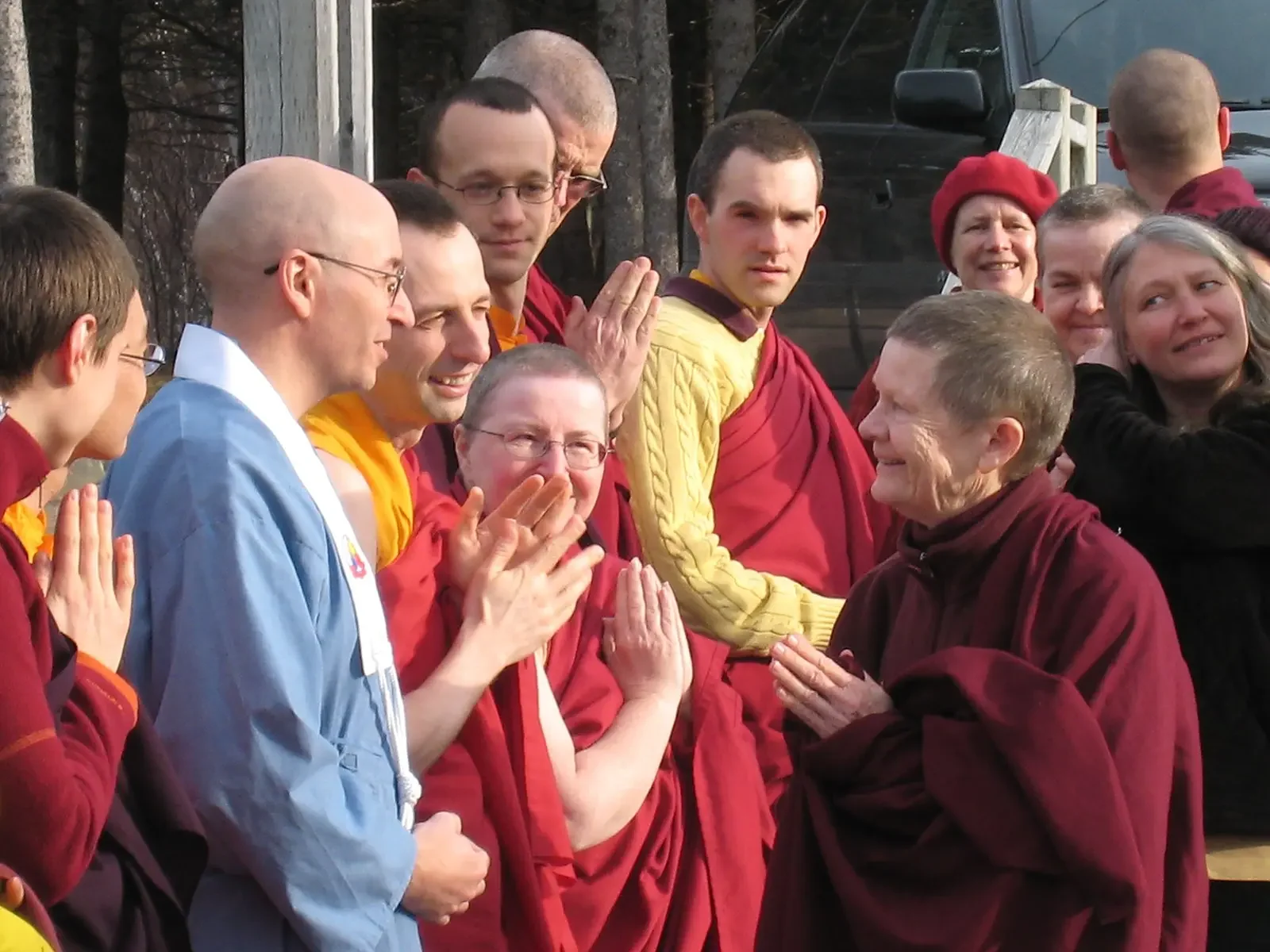
Communities - she led a real institutional crisis directly: when sexual abuse allegations against Shambhala International's leader Sakyong Mipham Rinpoche became public in 2018, Pema addressed them publicly rather than staying silent, a moment that tested the community she'd spent decades building.
One-on-one - connection, tonglen itself is built around this kind of individual attention — she's taught that it's often easiest to start the practice by holding one specific, real person in mind rather than an abstraction.
Key Takeaways
Pema's story runs opposite to most of this list: it's built on renunciation of wealth, partnership, and personal brand rather than accumulation of any of them.
Her "work" and "self" are essentially the same thing — there's no real boundary between her teaching and her personal spiritual practice.
She navigated a genuine institutional crisis in her own community publicly rather than avoiding it.
Family relationships were genuinely strained by her spiritual path, and she's been honest about that cost rather than smoothing it over.
She built almost none of the personal infrastructure — homes, wealth, a media apparatus — that defines most of the people covered on this list.
Links & Resources
Organizations
The Pema Chödrön Foundation — https://pemachodronfoundation.org/
Gampo Abbey — https://gampoabbey.org/
Books