Going Over The List: King David

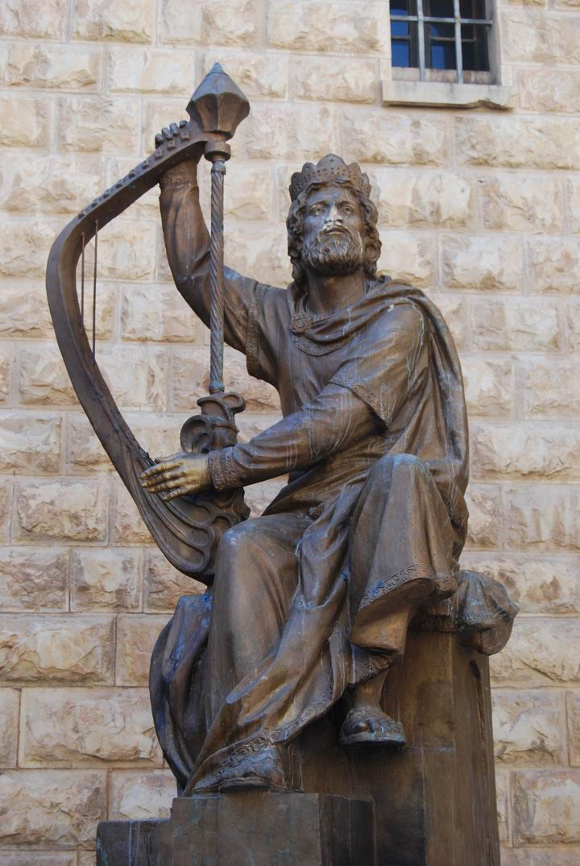
David is one of the central figures of the Hebrew Bible, remembered as the second king of Israel, the slayer of Goliath, the author of many of the Psalms, and the ancestor from whose line, in Jewish and Christian tradition, the Messiah is said to descend. His reign is traditionally placed around the 10th century BCE, though the exact dates and even the scale of his kingdom remain genuinely debated among historians. In this post, we're going over King David's List to see how his life fits into the Home, Work, and Self framework.
Sources
The Hebrew Bible: 1–2 Samuel, 1 Kings 1–2, 1 Chronicles (primary narrative source)
Home
House
Real Estate - After conquering Jerusalem, David made it his capital and brought the Ark of the Covenant into the city, establishing what became the political and religious center of his kingdom.
Design - The text describes David wanting to build a temple to God in Jerusalem, but he was told this task would fall to his son instead — a plan he prepared for without being the one to execute.
Maintain - No detail is given in the text about the practical running of his household.
Partner
Quality Time - David had at least eight wives named in the text, including Michal, Abigail, and Bathsheba, along with multiple concubines — a household structure common to ancient royal polygamy rather than anything resembling a single modern partnership.
Shared Responsibilities - His relationship with Bathsheba began, by the text's own account, when he saw her bathing, summoned her while she was married to Uriah the Hittite, and had an affair with her.
Conversation - When Bathsheba became pregnant, David attempted to cover it up, and when that failed, arranged for Uriah to be killed in battle. The prophet Nathan confronted David directly over this, and the text describes David acknowledging wrongdoing in response.
Family
Parents - David was the son of Jesse, from the town of Bethlehem, and the youngest of Jesse's sons.
Siblings - He had multiple older brothers; the text describes them dismissing him as too young and insignificant to matter before his rise to prominence.
Kids - David had at least 18 children named in the text. The family's story includes real tragedy: his son Amnon raped his daughter Tamar; his son Absalom later killed Amnon in response, then led an armed rebellion against David himself, plunging the kingdom into civil war before dying in battle. David's son with Bathsheba ultimately became his successor, Solomon.

Work
Make
Time - David's rise began as a shepherd and musician before his defeat of Goliath brought him into King Saul's court, followed by years as a military commander and, later, as a fugitive from Saul before eventually becoming king himself.
Space - He operated across multiple political centers over his life — Bethlehem, Saul's court, the wilderness while a fugitive, Hebron as king of Judah, and finally Jerusalem as king of a united Israel.
Supplies - His early reputation was built on skill with a sling and, later, a sword and military leadership, rather than any administrative infrastructure.
Show
In Real Life - His defeat of Goliath in single combat before both armies is the most publicly staged moment in his story, deliberately framed in the text as a demonstration in front of witnesses on both sides.
Print - Many of the Psalms are traditionally attributed to David, giving him one of the most enduring literary legacies of any figure in the Hebrew Bible.
Online - Not applicable to his era.
Sell
Services - As king, David centralized political and religious authority in Jerusalem, consolidating power that had previously been more fragmented among the Israelite tribes.
Products - Not directly applicable in a modern commercial sense; his "product," in effect, was the united kingdom and capital he built.
Events - His anointing as king, first over Judah and later over all Israel, and the procession bringing the Ark of the Covenant into Jerusalem, are described as major public, ceremonial events in the text.
Self
Wellbeing
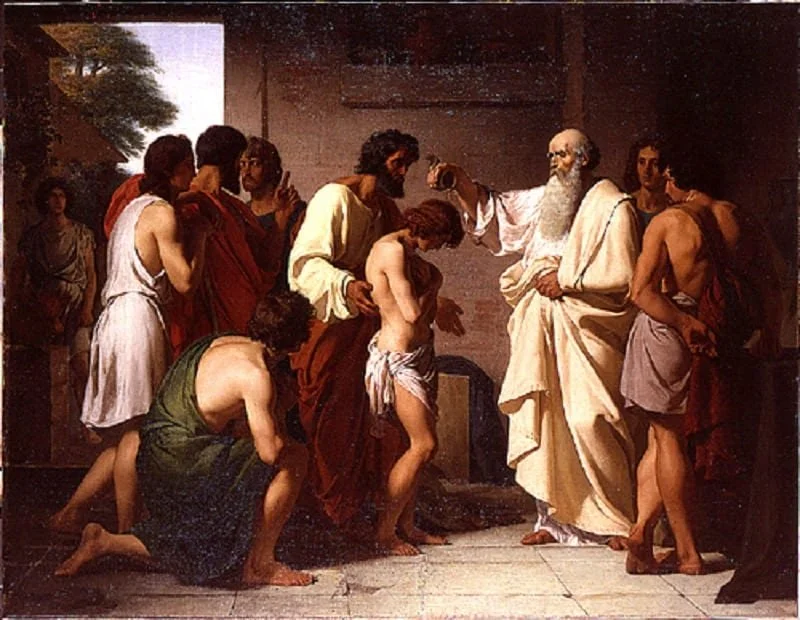
Mind - The text portrays David wrestling openly with guilt after Nathan's confrontation over Bathsheba and Uriah, described as genuine remorse rather than mere political damage control.
Body - He's described as a skilled warrior and musician in his youth, known for playing the harp to soothe King Saul.
Soul - The Psalms attributed to him include some of the most raw, direct expressions of guilt, grief, and faith in the Hebrew Bible, suggesting a figure who processed his failures publicly through his writing rather than only privately.
Admin
Time - No detail is given in the text about a personal daily routine.
Paperwork - The text describes David conducting a census of Israel late in his reign, an act framed as a sin that brought consequences on the kingdom — one of several moments where his personal decisions are shown to have national-scale impact.
Money - As king, he had access to the resources of a consolidated kingdom, which he used partly to prepare materials for the temple his son Solomon would eventually build.
Social
Friends - His friendship with Jonathan, King Saul's son, is one of the most emphasized relationships in the text, described as a deep loyalty that persisted even though Jonathan's own father was actively trying to kill David.
Communities - He built and led a following of loyal fighters during his years as a fugitive from Saul, a group that later became the core of his military leadership as king.
One-on-One - The prophet Nathan's direct, one-on-one confrontation of David over Bathsheba and Uriah is one of the text's most pointed examples of an individual holding a king accountable to his face, rather than through indirect political consequence.
Key Takeaways
The biblical text itself does not hide or excuse David's worst actions — his affair with Bathsheba and the killing of Uriah are described plainly, followed directly by real consequences within his own family.
His family's story includes serious harm — rape, murder, and civil war — described as flowing in part from David's own failures, rather than being unrelated tragedy.
His literary legacy (the Psalms) shows a figure who processed guilt and failure openly, which is part of why he remains such an enduring and complex figure across three major religious traditions.
Unlike Picasso, where the harm was largely obscured by public myth-making, David's story is notable for being self-critical within its own primary source — the text doesn't ask you to overlook what he did.
As with Cleopatra, several categories here simply have no answer the source material provides — worth sitting with that gap rather than inventing detail to fill it.
Links & Resources
Primary Source
1–2 Samuel, 1 Kings 1–2, 1 Chronicles (Hebrew Bible)
Further Reading